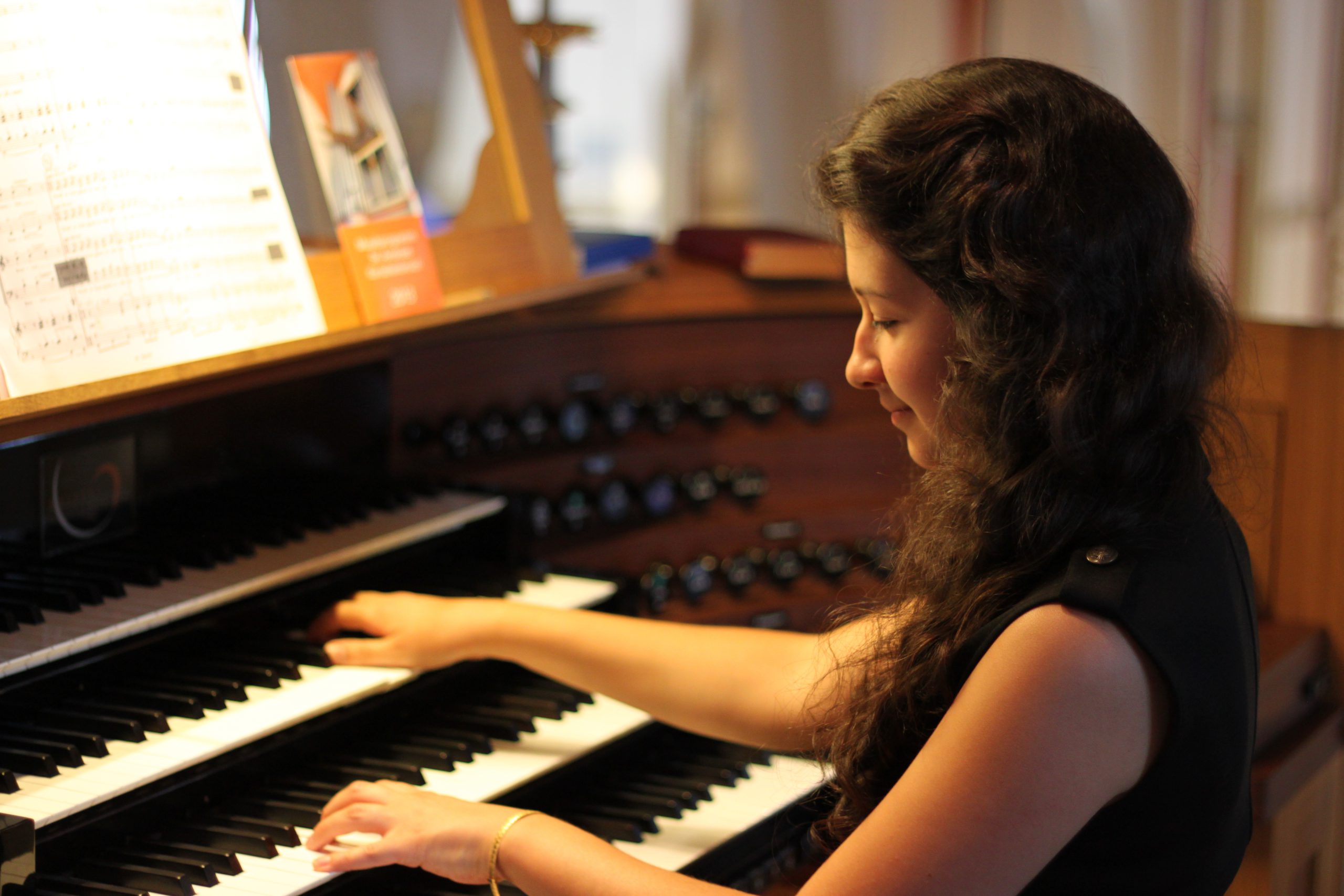
Organ Scholarships at Trinity
Being an Organ Scholar at Trinity is a challenging and rewarding role within the life of the College. Trinity always has two Organ Scholars in residence who play a key role assisting the Director of Music and Clergy in the day-to-day running of the Choir and Chapel.
Duties include accompanying and conducting the Choir in rehearsals and services and on tours and recordings, giving regular organ recitals, choosing repertoire, playing for weddings and other Chapel services, and working closely with the Chapel Office staff team.
Although Organ Scholars must balance these duties with their own degree studies, they invariably find time to pursue their own musical projects in Cambridge. There is no such thing as a typical Organ Scholar at Trinity, and personal projects have included conducting large-scale concerts such as J. S. Bach’s St John Passion and Mass in B Minor, directing self-founded vocal groups, giving piano recitals, accompanying vocal recitals, organising year-long projects including ‘Bach at Trinity’, and playing in chamber music ensembles.
Frequently in demand as recitalists, accompanists, and conductors, Trinity Organ Scholars play a prominent role in the artistic life of the College and University. After graduating, many proceed to important sacred and secular musical positions in the UK and internationally.
Trinity’s magnificent mechanical-action organ is regarded as one of the finest instruments of its kind in the world. It was completed in 1976 by the Swiss firm Metzler und Söhne within the original cases of the 1694 and 1706 ‘Father’ Smith organs.
How to apply
Anyone interested in finding out more about Organ Scholarships at Trinity is invited to write to us at:
Meet the Organ Scholars
Read our Q&As with our Organ Scholars to find out more about their experience, and how they manage the commitment alongside their studies and other activities.
We also encourage prospective Organ Scholars and Choral Scholars to read our > Myths & misconceptions page, which deals with a number of common beliefs and stereotypes.
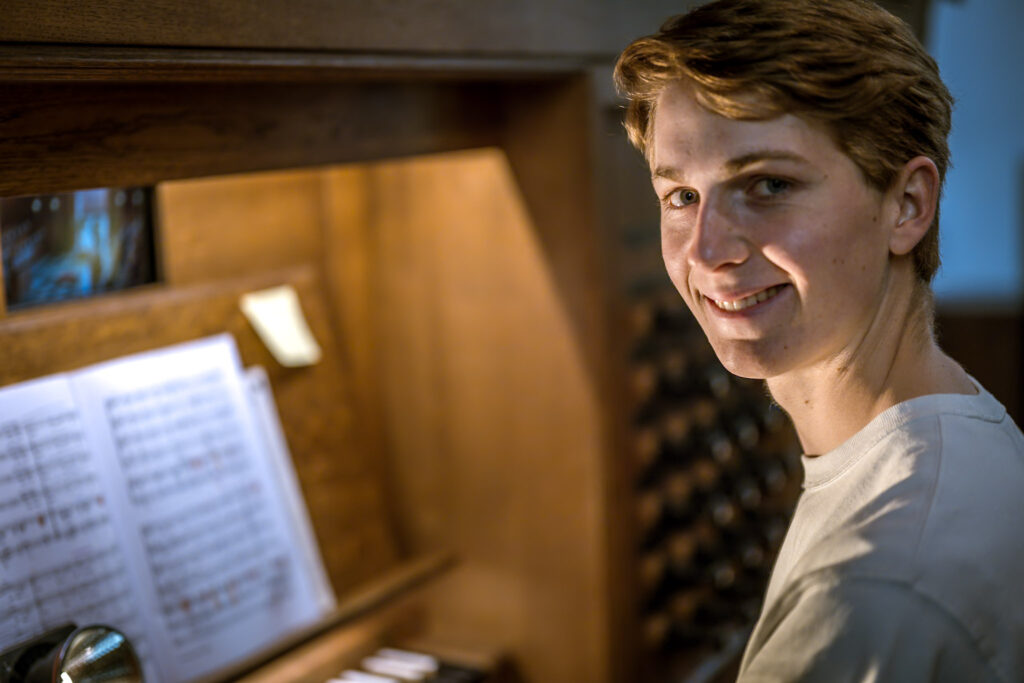
Thomas Simpson (Junior Organ Scholar)
“It’s a challenge…but a very rewarding one.”
Read our Q&A with Thomas
What do you enjoy most about being in TCC?
The opportunity to make music to a very high standard, three times a week, with friends. (What could be better?) There is something unique about being involved in high-quality performance: I still get goosebumps every time at the end of the Nunc Dimittis of Howells’ Gloucester service, for instance!
How do you find the commitment of being an organ scholar alongside your academic study?
It is a challenge, there’s no doubt about it – but a very rewarding one. Especially if you are studying music, the organ playing complements the academic work; even if you are not, the choir timetable provides structure and variety each week. That said, advanced planning of how you will manage your time is essential, so that you can stay on top of work and ensure accompaniments are ready in time – and look after your sleep schedule too.
What has been your musical highlight?
Probably our performance of Bach’s St John Passion with the Orchestra of the Age of Enlightenment, in which I had the incredible opportunity to play harpsichord continuo. I also value hugely the occasional opportunities to conduct the choir. And of course, tours are always special: the perfect combination of music-making, visiting new places, and spending time with the choir outside of rehearsal.
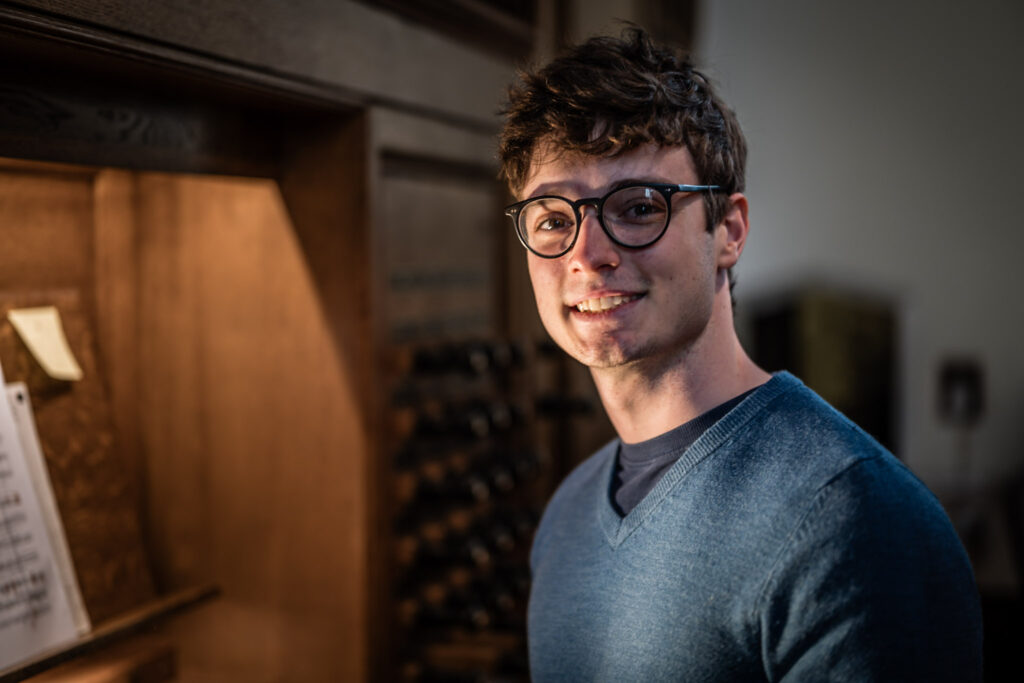
Augustine Cox (Senior Organ Scholar)
“I am very lucky to have the Metzler on my doorstep.”
Read our Q&A with Gus
What do you enjoy most about being in TCC?
Learning what goes into creating a great choral sound. Whether the repertoire is accompanied or not, it is always an illuminating experience to see how Steven moulds it over the course of many rehearsals. I am also very lucky to have the Metzler on my doorstep and to have lessons with brilliant organ teachers.
How do you find the commitment of being an organ scholar alongside your academic study?
The organ scholarship was a huge part of why I applied to Trinity in the first place, but it is a big commitment. Since I study music, my scholarship compliments my degree to a small extent: I find that the tonal skills (stylistic composition) and keyboard skills papers go hand in hand with the skills necessary for the scholarship. Now that I am in my final year, I am trying not to spread myself too thin with extra music, despite having enjoyed throwing myself into the Cambridge music scene over the past two years.
What has been your musical highlight?
Giving a joint organ recital with Thomas in Notre-Dame de Coutances while on tour in Normandy. This concert lasted about an hour. We each played some solo repertoire and concluded with Jupiter (from The Planets) arranged for organ duet by Robert Quinney. The instrument was absolutely brilliant, but had no registration aids. The required preparation on the day was therefore immense: two volunteers were called upon to hand-register on either side; a whole ream of Post-It notes with detailed written instructions had to be affixed… We arrived at the cathedral at 8am and managed to squeeze everything in just before the 5pm start.
Organ Scholarship benefits
In addition to their annual scholarship of £450, Organ Scholars receive:
- Free organ lessons with our experienced and highly-respected teachers (see below);
- Free singing lessons;
- Three free dinners a week in Hall and six annual feasts;
- Annual > tours at no cost to the individual Organ Scholar;
- Accommodation, food and travel expenses for Choir projects outside term;
- An annual bequest for building their own library of organ music;
- Special reserved rooms in College which they can keep all year round;
- A Yamaha Clavinova in their room;
- Access to the Chapel’s recording equipment for personal projects.
- Access to College funds for personal instrumental lessons;
- Access to subsidised Yoga and Pilates sessions in College.
Organ teachers
Organ Scholars at Trinity are fortunate to learn with three eminent organists who also have wide professional experience as recitalists, accompanists and Directors of Music.
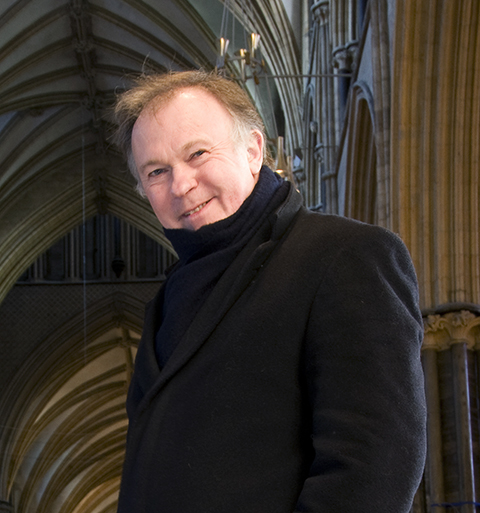
Colin Walsh
Colin Walsh’s association with cathedral music goes back nearly 50 years.
He has served, in various capacities, St George’s Chapel, Windsor Castle, Christ Church, Oxford (where he studied with Simon Preston and Nicholas Danby), Salisbury Cathedral (as assistant to Richard Seal) and St Albans Cathedral. He went to Lincoln Cathedral in 1988 as Organist and Master of the Choristers, becoming Organist Laureate in 2003 and Organist Emeritus in 2021.
Read more
As an organ recitalist he has played across the UK, most European countries, the USA, Australasia, Hong Kong and Russia. His studies in Paris with Jean Langlais inspired him to specialise in 19th and 20th century French organ music. He has made over forty recordings as a choral conductor, accompanist and soloist across various labels.
He teaches in Cambridge and elsewhere and is an honorary Doctor of Music from the University of Lincoln.

Stephen Farr
Stephen Farr has an established reputation as one of the leading keyboard players of his generation, with an extensive discography to his credit.
He was Organ Scholar of Clare College Cambridge, graduating with a double first in Music and an MPhil in Musicology. He then held appointments at Christ Church Oxford, and at Winchester and Guildford Cathedrals.
Read more
Recent releases have included music by Orlando Gibbons; J. S. Bach (Clavierübung 3, Orgelbüchlein, and Chorale Partitas); the complete organ works of James Macmillan; a new commission by Francis Grier; Hieronymus Praetorius; music from the 17th century English repertoire; Judith Bingham; and the complete organ works of Kenneth Leighton. He has played frequently throughout Europe, in North and South America, and in Australia, and has appeared in the UK in venues including the Royal Albert Hall (where he has featured in the BBC Proms as both recitalist and concerto soloist); the Royal Festival Hall; Symphony Hall, Birmingham; Westminster Cathedral; St Paul’s Cathedral; King’s College, Cambridge; and Westminster Abbey. He gave the Scottish premiere of James Macmillan’s organ concerto ‘A Scotch Bestiary’ in the 2019 Edinburgh International Festival.
Ensemble work has included engagements with the Berlin Philharmonic, the CBSO, the LSO, and the Philharmonia. He also has an established reputation as a harpsichordist and continuo player, working regularly with many leading ensembles, including the English Concert, OAE, Arcangelo, Academy of
Ancient Music, and Dunedin Consort, with whom he is Principal Keyboard. He is Chief Examiner of the Royal College of Organists, and Director of Music at All Saints Margaret Street in London.
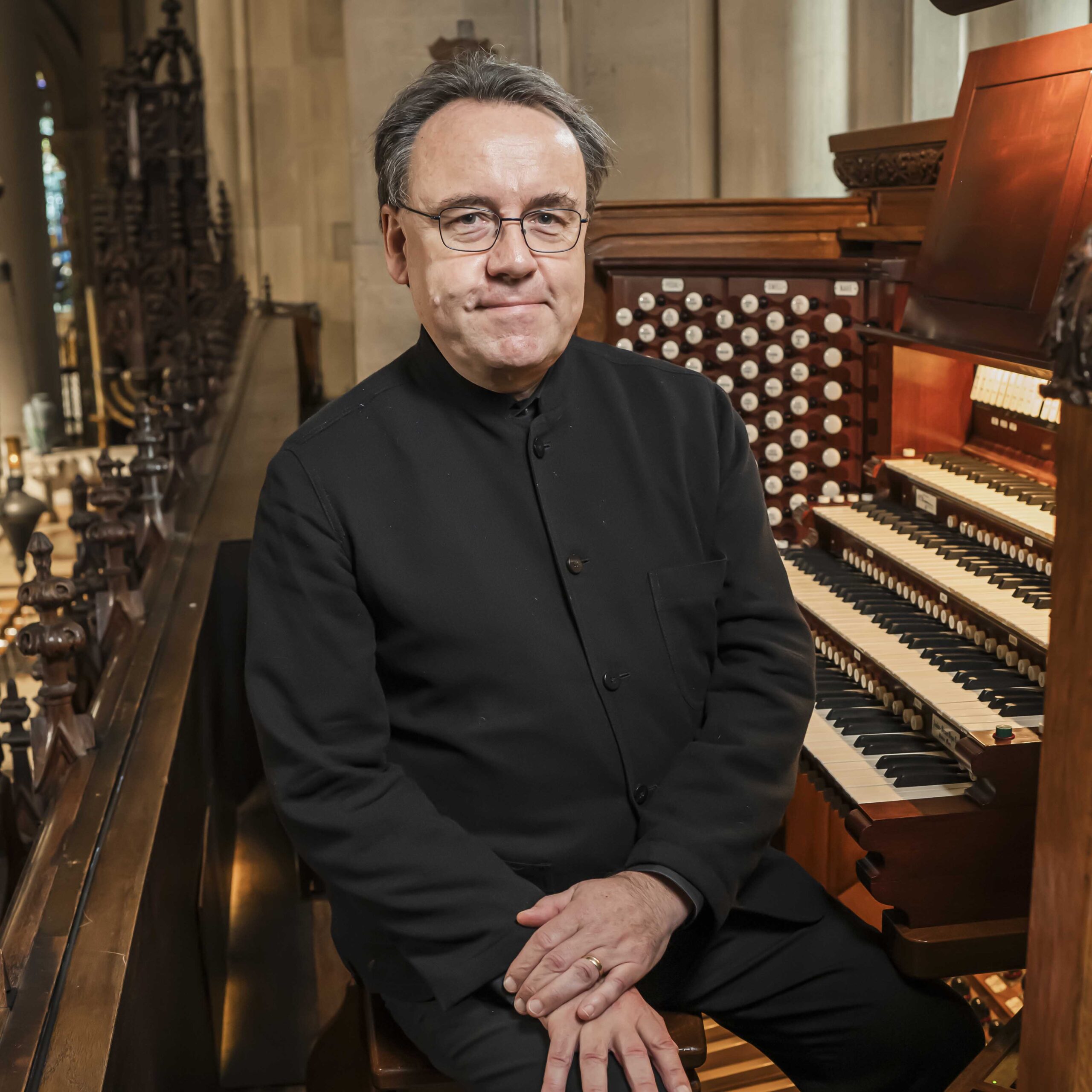
David Briggs
David Briggs is an internationally renowned organist whose performances are acclaimed for their musicality, virtuosity, and ability to excite and engage audiences of all ages.
Consistently ranked as one of the finest organists of his generation, David’s
extensive repertoire spans five centuries. He has also become one of the foremost organ transcribers of symphonic works, thereby giving listeners the opportunity to experience the organ in a new way.
Read more
At the age of 17, David obtained his Fellow of the Royal College of Organists diploma, winning the Silver Medal of the Worshipful Company of Musicians. From 1981-84 he was Organ Scholar at King’s College, Cambridge, during which time he studied with Jean Langlais in Paris. The first British winner of the Tournemire Prize at the St Albans International Improvisation Competition, he also won the first prize in the International Improvisation Competition at Paisley. Subsequently David held positions at Hereford, Truro and Gloucester Cathedrals.
A busy international concert organist, David is also deeply committed to ensuring organ music remains relevant and vibrant, giving pre-concert lectures and demonstrations, teaching performance at Cambridge University, serving on international organ competition juries, and giving master classes at colleges and conservatories across the U.S. and Europe.
David Briggs is also a prolific composer; The Choir of Trinity College Cambridge has recorded two critically-acclaimed albums of his music for the Hyperion label: > Mass for Notre Dame and > Hail, gladdening light