Finzi: Requiem da camera · For St Cecilia · In terra pax - Gramophone
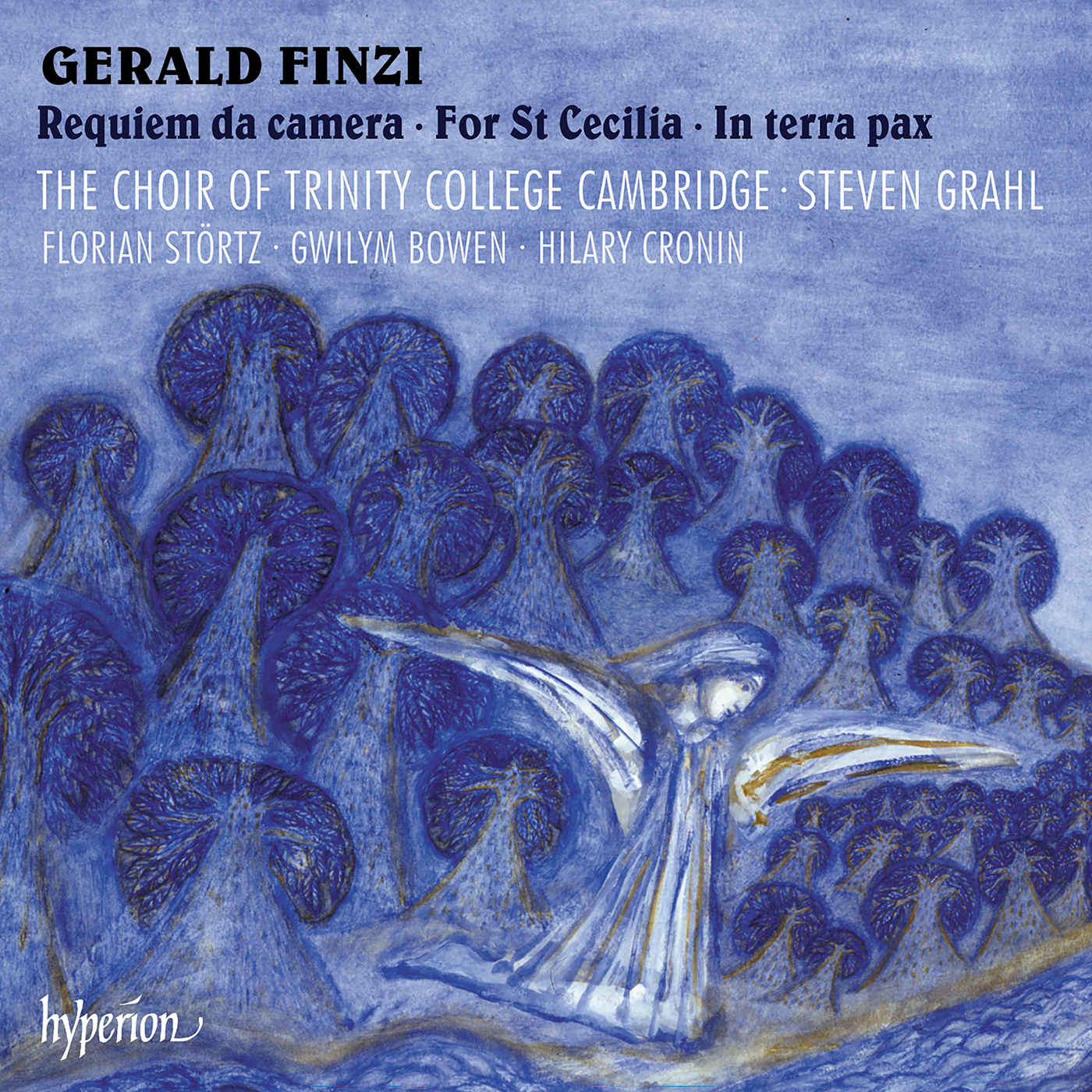
> See recording details...“As we approach the 70th anniversary of Gerald Finzi’s death (in September 1956) it is good to welcome this generously filled album, which contains three substantial works spanning 30 years, almost the entirety of his composing career.
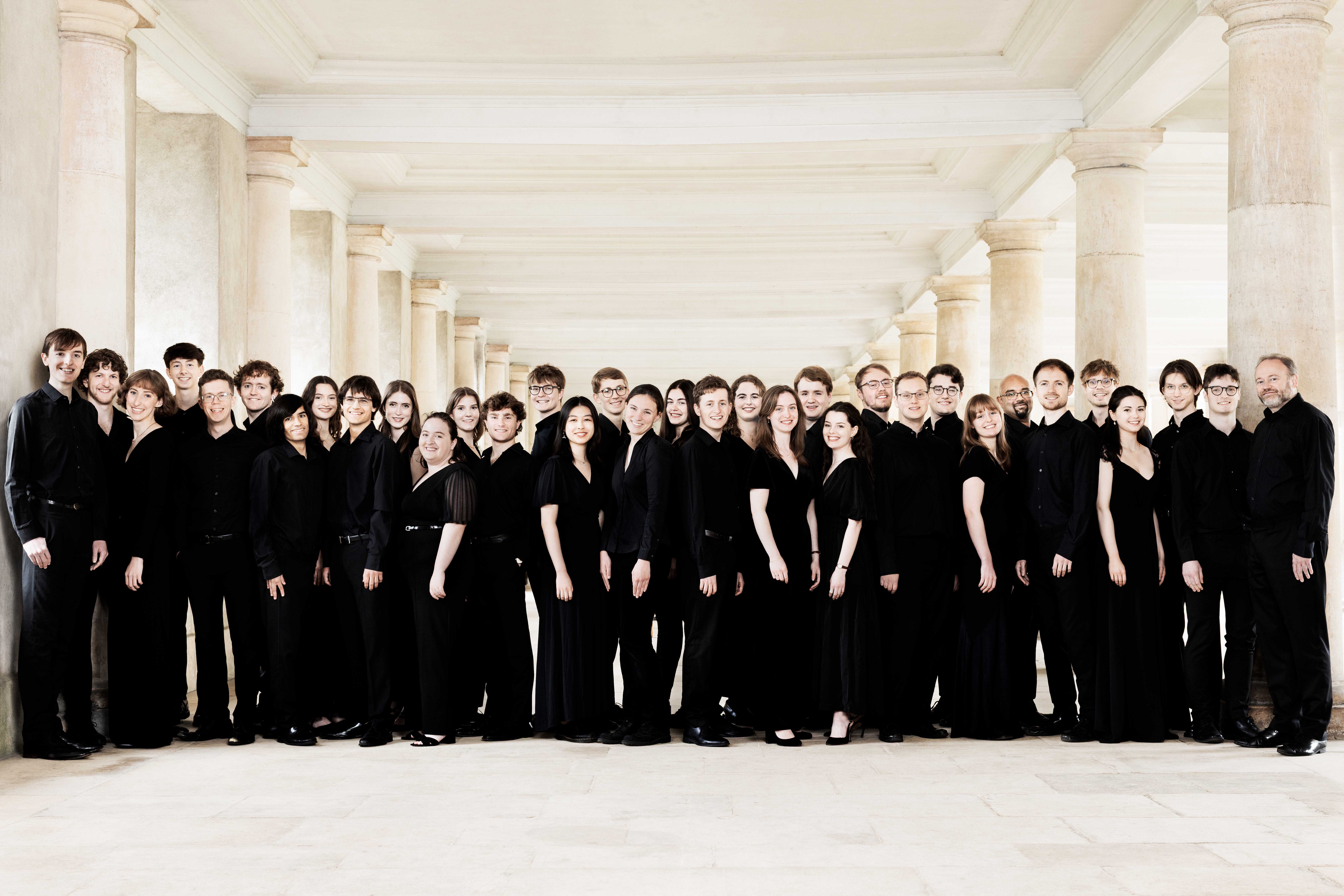
Hyperion has done Finzi proud over the years. The label’s 2018 selection of Finzi’s shorter choral works with the Choir of Trinity College Cambridge directed by Stephen Layton drew glowing plaudits. This successor release (recorded in London’s Temple Church under Steven Grahl) maintains the highest possible standard. The young German bass-baritone Florian Störtz has already featured on several superb Hyperion releases (including the definitive Duruflé Requiem). Here he is featured in two solo roles, vibrant and compelling.
The tenor Gwilym Bowen is in fine voice for the 1947 ceremonial ode For St Cecilia (to words by Edmund Blunden), heard here in Robert Gower’s transcription of the orchestral score. Thomas Simpson draws the full romantic lustre of the organ, with plentiful use of the Solo Tuba stop in a spacious recording. Whether consciously or not, Bowen’s crystalline tone and clarity of diction conjure up the late, great Wilfred Brown and his 1964 recording of Finzi’s Dies Natalis. The choir bloom to great effect in the final Grandioso pages at ‘Blest in the life of universal song’, suffused with the radiant influence of Hubert Parry.
Augustine Cox slides on to the organ bench for the enchanting Christmas scene of 1954 In terra pax, arranged, once again, by Robert Gower. For many this is Finzi’s masterpiece. As the narrator. Störtz imbues Robert Bridges’s words with a beguiling range of colours. Generally the organ accompaniment works well, though one misses the tolling bass notes of the harp and the spine-tingling cymbal roll at fig 6 that heralds the appearance of the Angel. Hilary Cronin balances dramatic characterisation with a delicate tone.
The album concludes with Finzi’s first extended work, the Requiem da camera, composed in 1923-24 as a secular memorial to his first teacher, Ernest Farrar, slain in France in September 1918. Philip Thomas best described the Requiem as having a one-paced, elegiac sweetness. But there are also darker sub-streams, with nods to George Butterworth and Edward Bairstow, who taught Finzi after Farrar. The organ transcription of the chamber orchestral original is by another Bairstow pupil, Francis Jackson. The extended opening Prelude is a significant addition to the repertory in its own right.
The transparency of the unaccompanied three-part choral texture in ‘How still this quiet cornfield is tonight is quite spellbinding, perfectly blended. The choral singing throughout remains intimate and reverential. A wonderful achievement, beautifully recorded and most strongly recommended.”
Malcolm Riley
Hyperion Records CDA68487